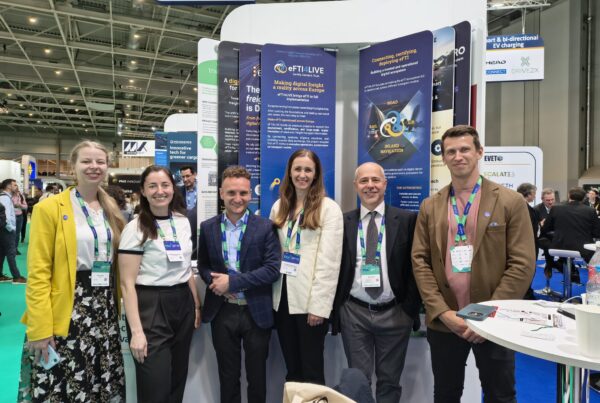
In February 2026, two important national events provided valuable opportunities to discuss digitalisation, sustainability and the future implementation of the eFTI Regulation. Through their participation, eFTI4EU partners contributed to raising awareness and fostering dialogue on the transition from paper-based to digital freight transport information.
Traficom Dangerous Goods Day 2026
On 5 February 2026, the Finnish Transport and Communications Agency Traficom organised the annual Dangerous Goods Day (VAK-päivä), a key national event dedicated to regulatory updates, safety developments and digital innovation in the transport of dangerous goods.
As a partner of the eFTI4EU project, Traficom took part in the event and contributed to discussions on the ongoing digital transformation of freight transport. The event brought together authorities, industry representatives and experts to exchange views on safety, compliance and the evolving regulatory landscape.
During the event, the Finnish dangerous goods pilot was also presented, showcasing practical progress towards the digital exchange of transport information in line with the eFTI Regulation. The pilot represents a concrete step in testing and preparing national systems for the transition from paper-based documentation to interoperable digital data flows.
Green ICT Tour 2026 – Solutions for a Sustainable Future
The Green ICT Tour 2026, organised on the same day at the Synergy Centre, focused on the theme “Solutions for a Sustainable Future” and gathered ICT sector experts, companies and public authorities to discuss concrete actions supporting the green transition.
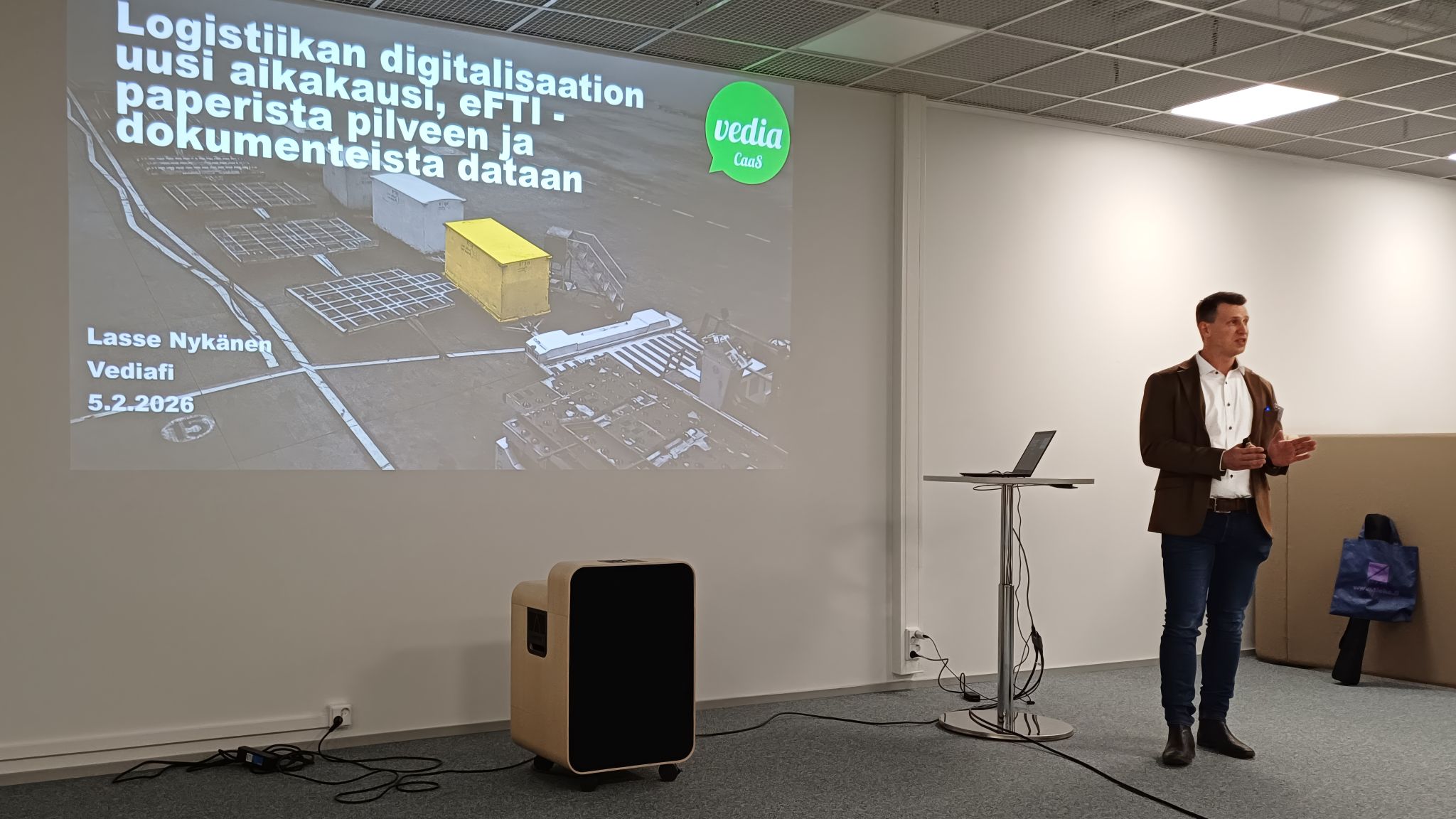
During the event, Vediafy, partner in eFTI4EU, contributed to the discussions on digitalisation and sustainability, highlighting how the eFTI Regulation enables the transition from paper-based processes to structured, interoperable data exchange at EU level. The presentation was delivered by Lasse Nykänen, CEO of Vediafy.
The programme covered key topics such as sustainable software development, the impact of architectural and coding choices on energy consumption and carbon footprint, digital transparency and the importance of local data ecosystems. Participants also explored data economy security, sustainable data centre development and the role of research, development and innovation (RDI) activities in building resilient digital infrastructures.
In this context, eFTI was presented as a concrete example of how regulatory-driven digitalisation can contribute both to administrative simplification and to environmental sustainability, by reducing paper use and supporting more efficient data flows across the logistics chain.