Throughout spring 2026, Digilogistika Keskus (DLK) continued to promote the implementation and benefits of the eFTI Regulation across Northern Europe, participating in a series of events in Estonia, Finland and Sweden and engaging with public authorities, transport operators and industry stakeholders.
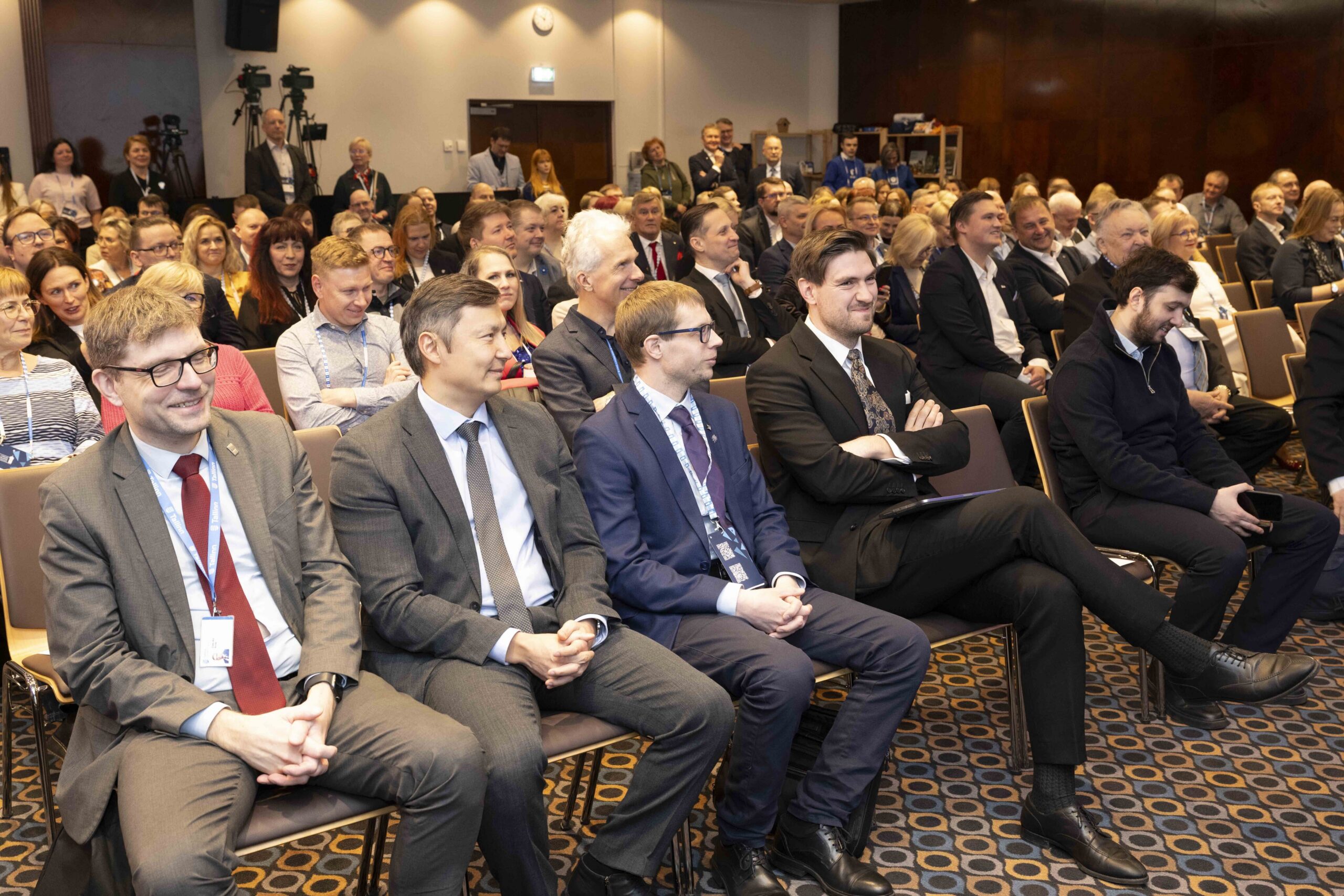
The first stop was the 20th Cities and Municipalities Days in Estonia, where Heiti Mering, Founder and CEO of DLK, delivered a presentation entitled “Who Breaks It, Pays for It”. Addressing representatives of local governments and municipalities, the session focused on the practical value of electronic freight transport information and electronic consignment notes. Particular attention was given to how eFTI-related data can help municipalities better understand heavy goods vehicle traffic on local roads, monitor infrastructure usage, and support evidence-based decision-making regarding road maintenance and compensation mechanisms.
In early May, DLK travelled to Jyväskylä, Finland, to participate in KuljetusAreena 2026, a growing networking event for transport and logistics professionals (see our post on LinkedIn). During the event, Heiti Mering presented the opportunities offered by eFTI, highlighting how digital transport documents and cross-border data exchange can contribute to more efficient, transparent and data-driven freight transport operations. The event also provided an opportunity to exchange views with industry leaders and experts on the future of logistics and digitalisation.
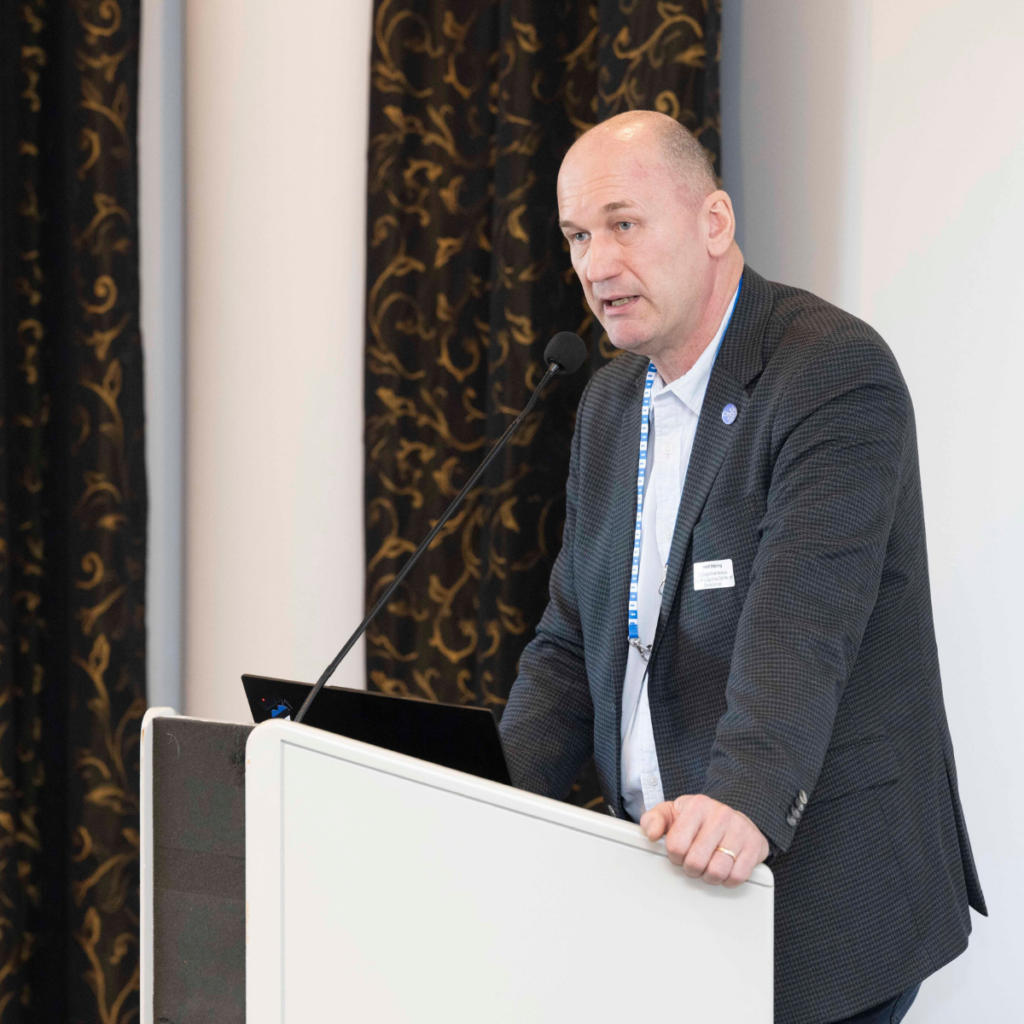
Just days later, on 7 May, DLK participated in Compliance Connect 2026 in Stockholm. The event brought together professionals from the fields of taxation, trade, finance, IT and logistics to discuss digital compliance and future regulatory developments. During his presentation on the “eFTI Framework and Upcoming Mandate”, Heiti Mering outlined the regulatory framework behind eFTI and explored how businesses can prepare for the transition towards paperless and data-driven supply chains. As the event was linked to the Sweden–Estonia pilot activities under the eFTI4ALL project, discussions also focused on the practical implementation of cross-border data exchange and the growing interest from industry stakeholders in digital freight transport solutions.
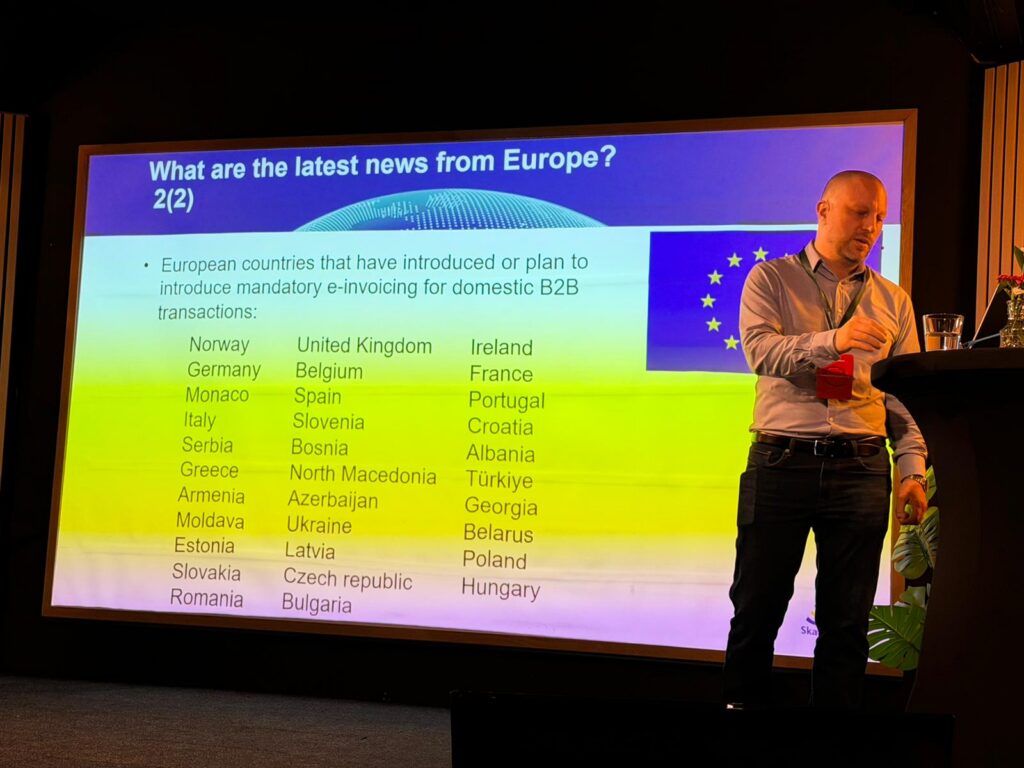
Together, these events provided valuable opportunities to raise awareness of eFTI among a diverse range of stakeholders, demonstrate real-world use cases, and support the broader transition towards digital freight transport information across Europe.